Source Mini 3p Solder Rocker Switch for Home, Industrial, Electronics
Find 30 verified mini 3p solder rocker switch options for home appliances, industrial equipment, and electronics. Compare specifications like voltage ratings, mechanical life, and certifications from multiple suppliers to select the right component for your project; compare the available evidence and request quotations based on your requirements.
Key considerations
Products List




Comprehensive Sourcing Guide
Mini 3P Solder Rocker Switch Sourcing Guide
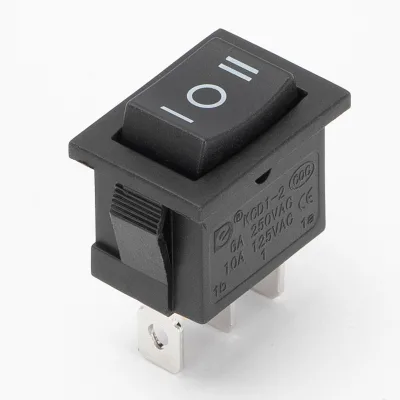
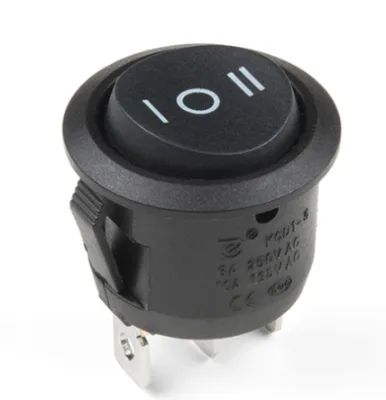
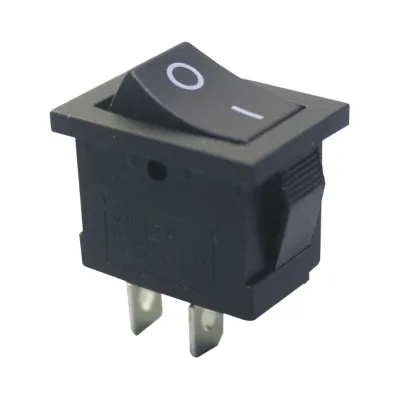
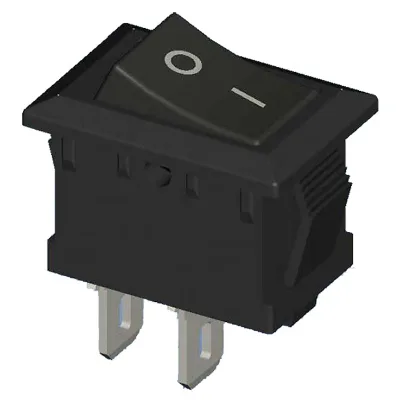
Procuring a mini 3P solder rocker switch requires careful attention to the specific electrical architecture needed for your assembly line. The observed market data indicates that these components are frequently designed for single live line wiring and function as single-pole on-off switches, though some listings specify a SPDT ON-OFF-ON function with three pins. Buyers must distinguish between these configurations early to ensure the switch aligns with the intended circuit logic, whether for a simple start button or a more complex control sequence in home appliances.
The physical form factor and mounting style are equally critical when selecting the right unit for commercial or industrial applications. While many units are described as power built-in types with a rocker feature, the specific dimensions and packing methods vary significantly across suppliers. Some models are packaged in trays within cartons, while others arrive in individual boxes, which impacts your internal logistics and storage planning. Verifying the exact model number, such as the ATK-RS018 or SNCK series, ensures you receive the precise mechanical interface required for your panel cutouts.
Product Scope and Observed Listing Signals
The current market for these switches presents a wide range of observed prices and minimum order quantities, reflecting the diversity of available inventory. Prices have been noted between 0.02 and 1.34 USD, with MOQs ranging from a single unit up to 5000 pieces, suggesting flexibility for both prototyping and mass production needs. However, buyers should treat these figures as observations rather than guaranteed rates, as specific model availability and supplier capacity heavily influence the final commercial terms for any given order.
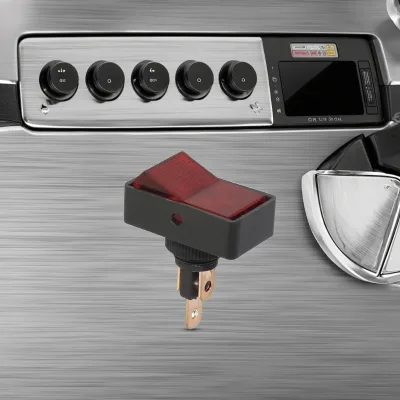
Product attributes such as color and condition are standard listing signals that help identify the correct variant for your project. Most observed units are new and available in red or white, catering to different aesthetic requirements for consumer electronics or industrial machinery. The absence of an integrated lamp in many listings is a key differentiator, meaning the switch relies on external lighting or indicator systems. This distinction is vital for designers who need to integrate separate LED indicators or rely on the switch's mechanical feedback alone.
Technical Specifications to Verify
Electrical ratings and contact resistance are the primary technical parameters that determine the reliability of the switch under load. The observed data highlights a common rating of 10A at 125VAC or 6A at 250VAC, with contact resistance typically maintained below 50MΩ. Buyers must verify that the specific unit meets these thresholds for their application, as exceeding the current or voltage limits can lead to premature failure or safety hazards in high-demand environments like commercial electronics.
Mechanical life and insulation properties are equally critical for ensuring long-term operational stability in harsh conditions. Many units boast a mechanical life of 50,000 cycles and an insulation resistance greater than 1000MΩ, which is essential for maintaining safety in electrical appliances. Additionally, the ambient temperature range of -10°C to +85°C and a withstand voltage of over 1500V per minute provide a baseline for environmental durability. Confirming these specific values against your operational requirements prevents unexpected downtime and ensures the switch can withstand the intended stress levels.
Compliance and Safety Documentation
Certification status is a non-negotiable aspect of sourcing electrical components for global markets, and the observed listings include ISO, GS, RoHS, CE, and UL marks. These certifications indicate that the manufacturer adheres to specific international safety and environmental standards, which is crucial for products destined for Europe, North America, or other regulated regions. Buyers should request valid certification documents for the exact model number being purchased, as compliance is often model-specific and cannot be assumed for an entire product line.
Material composition and dielectric strength further validate the safety profile of the switch for its intended use. The use of PA66 material is common, offering robust insulation and resistance to heat and chemicals, while dielectric strength tests ensure the component can handle voltage spikes without breakdown. It is imperative to verify that the insulation resistance and dielectric strength claims are backed by recent test reports, as these properties directly impact the risk of electrical shock or short circuits in the final assembled product.
Cost Drivers and Commercial Terms
The final cost of a mini 3P solder rocker switch is influenced by the complexity of the model, the volume of the order, and the specific packaging requirements. While base prices are low, the transition from tray packing to individual box packing or custom branding can alter the unit cost significantly. Buyers should also consider the impact of the minimum order quantity on their cash flow, as larger orders often secure better pricing but require more upfront capital and storage space.
Lead times and shipping logistics are additional commercial factors that affect the total cost of ownership. Although specific lead times are not universally standardized in the provided data, the origin of the products in China and Zhejiang suggests that shipping duration will depend on the chosen freight method and current port conditions. Negotiating clear terms regarding delivery schedules and packaging integrity is essential to avoid delays that could disrupt your production schedule or increase inventory holding costs.
Supplier Qualification and Quality Control
Supplier qualification should focus on their ability to provide consistent quality control and traceability for every batch of switches delivered. Given the variety of models like the KCD1-2-103 or SNCK series, a reliable supplier must demonstrate a robust process for maintaining the specified electrical and mechanical properties across different production runs. Buyers should inquire about their internal testing protocols for contact resistance and mechanical life to ensure that the products meet the advertised specifications before shipment.
Quality control extends to the physical inspection of the product upon arrival, checking for defects in the rocker mechanism or insulation integrity. Since the switches are often used in critical applications like start buttons or control switches, any deviation in the ON-OFF-ON action or pin alignment can compromise the entire system. Establishing a clear acceptance criteria based on the observed specifications, such as the 1128 mm standard or 2825*26CM packing dimensions, helps in quickly identifying non-conforming goods and initiating a resolution process.
Long-Term Procurement Checks
Sustaining a successful supply chain for these components requires regular audits of the supplier's ability to maintain the required certifications and material standards. As regulations evolve, the ISO, CE, or UL certifications may need renewal, and the supplier must be proactive in communicating any changes that could affect the compliance status of the product. Buyers should schedule periodic reviews to ensure that the switches continue to meet the latest safety and environmental requirements without interruption to their supply.
Performance monitoring over time is essential to detect any subtle degradation in the switch's reliability or consistency. Tracking the failure rates of the 50,000-cycle mechanical life and the insulation resistance values in the field can provide early warnings of potential quality issues. By maintaining a feedback loop with the supplier regarding field performance, buyers can collaborate on continuous improvement initiatives that enhance the durability and safety of the mini 3P solder rocker switches in their applications.
FAQs
What certifications do the mini 3p solder rocker switches have?
The switches carry ISO, GS, RoHS, CE, and UL certifications. These standards ensure safety and compliance for electrical appliances. Buyers can verify these documents before placing orders to meet regional regulatory requirements for industrial and home applications.
Can I request customization for the switch models?
Yes, customization is available for these rocker switches. Buyers can specify unique requirements for the ATK-RS018 or SNCK series. This flexibility allows adaptation for commercial, industrial, or electronics applications while maintaining the standard 11x28 mm or 28x25x26 CM dimensions.
What is the mechanical life of the switch?
The mechanical life is rated for 50,000 operations. This durability supports frequent use in start and control button applications. The resistive principle and power built-in structure ensure reliable performance within the -10°C to +85°C ambient temperature range for various electrical appliances.
Which packaging options are available for bulk orders?
Packaging options include trays, cartons, and boxes depending on the model. The SNCK series typically uses cartons, while other models may come in boxes. These methods protect the switches during shipping and storage for global distribution to vendors and manufacturers.
What is the maximum voltage rating for the switch?
The maximum voltage rating is 250VAC with a 10A current capacity. It also supports 125VAC at 10A. This rating ensures safe operation in commercial and home appliance circuits while meeting the dielectric strength and insulation resistance requirements for reliable electrical performance.
Where are these switches manufactured?
These switches are manufactured in Zhejiang, China. The origin is confirmed for the SNCK and ATK series. Buyers can expect consistent quality from this location while sourcing products that meet international standards like ISO and CE for global market distribution.
What is the contact resistance specification?
The contact resistance is less than 50 milliohms. This low resistance ensures efficient power transmission with minimal voltage drop. It is a critical specification for the single-pole on-off switch function, supporting stable operation in single live line wiring configurations.